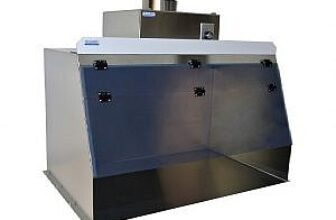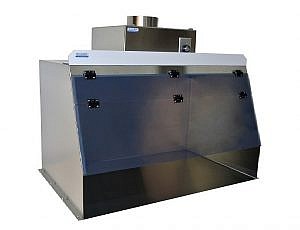
When you work with corrosive chemicals, selecting the right fume hood is essential for protecting laboratory personnel, maintaining a safe working environment, and supporting reliable chemical handling procedures. Acid vapors, solvent fumes, and other aggressive airborne contaminants can gradually damage unsuitable materials and affect equipment performance. Therefore, you need to evaluate more than the exterior construction when specifying a stainless steel fume hood.
Your selection should consider chemical compatibility, stainless steel grade, airflow performance, exhaust configuration, interior components, and maintenance requirements. By understanding these factors, you can specify a laboratory fume hood that supports your chemical processes while providing dependable contaminant containment.
1. Identify the Types of Corrosive Vapors
Start by identifying every chemical your laboratory will handle inside the hood. Different corrosive substances react differently with metals, coatings, seals, and other construction materials.
For example, hydrochloric acid vapors, sulfuric acid mist, nitric acid fumes, and chlorine-containing compounds can create different corrosion challenges. Their effects depend on concentration, temperature, moisture, exposure duration, and operating conditions.
Prepare a chemical inventory that includes:
- Chemical names and concentrations.
- Expected vapor and fume generation.
- Operating temperatures.
- Frequency and duration of chemical exposure.
- Potential chemical combinations.
- Cleaning and decontamination requirements.
Use this information to evaluate whether stainless steel is appropriate for your application. Do not assume that stainless steel automatically provides universal resistance to corrosive chemicals.
2. Select the Appropriate Stainless Steel Grade
Stainless steel grade selection directly affects the durability and corrosion resistance of your equipment. Common options include 304 and 316 stainless steel, but neither is suitable for every chemical environment.
304 stainless steel: This grade offers general corrosion resistance and is commonly used in laboratory and industrial equipment. However, certain acids, chlorides, and aggressive chemical environments can cause deterioration.
316 stainless steel: This grade contains molybdenum, which improves resistance to chloride-related pitting and crevice corrosion compared with standard 304 stainless steel. It may be appropriate for more demanding environments, depending on the chemicals involved.
Before choosing a grade, request documented chemical compatibility information from your equipment manufacturer or a qualified materials specialist. Consider testing where exposure conditions are unusual or particularly aggressive.
3. Evaluate Interior Construction Materials
The internal surfaces of your fume hood experience direct exposure to chemical vapors, splashes, and residues. Therefore, you should evaluate the entire construction rather than focusing exclusively on the stainless steel exterior.
Review these components:
Interior lining: Confirm that the liner can withstand your chemicals and operating temperatures.
Work surface: Select a chemical-compatible surface that supports your vessels and equipment.
Baffles: Verify that their materials resist chemical exposure and maintain appropriate airflow distribution.
Seals and gaskets: Check compatibility with acids, solvents, and cleaning agents.
Fasteners: Ensure exposed hardware will not introduce corrosion problems.
A carefully selected combination of materials can improve service life and reduce the risk of premature equipment deterioration.
4. Specify the Required Airflow Performance
Proper airflow is essential for containing and exhausting hazardous vapors. Your stainless steel fume hood should be designed around the chemical processes, heat loads, equipment dimensions, and required containment performance.
Consider the following airflow specifications:
Face velocity: Establish the required operating range based on the hood design and applicable safety standards.
Airflow distribution: Ensure baffles distribute exhaust air effectively throughout the working chamber.
Exhaust volume: Calculate the required airflow using hood dimensions and operating conditions.
Sash position: Specify a clearly marked operating height to support consistent containment.
Airflow monitoring: Include an appropriate alarm or monitoring system to identify abnormal airflow conditions.
You should also evaluate the building’s exhaust capacity before installation. Properly designed ductwork and exhaust fans help maintain stable performance during laboratory operations.
5. Choose the Right Ducted Exhaust Configuration
For corrosive vapor applications, your exhaust configuration must safely transport contaminated air away from the laboratory.
When specifying a ducted stainless steel fume hood, consider:
Duct material: Select ductwork compatible with the chemicals being exhausted.
Exhaust fan: Confirm that fan materials can withstand the expected chemical exposure.
Duct connections: Specify compatible gaskets, joints, and connection materials.
Discharge location: Ensure exhaust is released safely without creating exposure risks.
Maintenance access: Provide suitable access for inspection and cleaning.
Avoid assuming that a stainless steel hood requires stainless steel exhaust ductwork. The duct material must be selected according to the chemical composition, temperature, moisture content, and condensation potential of the exhaust stream.
6. Consider Work Surface and Laboratory Requirements
Your work surface should support the equipment, chemical containers, and laboratory procedures performed inside the hood.
Evaluate its load-bearing capacity, chemical resistance, cleanability, and compatibility with potential spills. If your applications involve frequent acid handling, consider whether an alternative work surface material would offer better chemical resistance than stainless steel.
You should also specify:
- Appropriate hood width, depth, and internal working height.
- Sash construction and visibility.
- Lighting suitable for laboratory operations.
- Electrical outlets and service fixtures where required.
- Spill containment and drainage provisions, if applicable.
- Accessibility for routine cleaning and maintenance.
A properly configured hood should accommodate your daily procedures without overcrowding the working chamber.
7. Review Safety Standards and Maintenance Requirements
Before purchasing, verify that the equipment meets applicable laboratory ventilation and safety requirements. Depending on your location and application, consider relevant provisions of ANSI/ASHRAE 110 for fume hood performance testing and applicable laboratory ventilation guidance.
Request documentation covering airflow testing, installation requirements, operating instructions, and maintenance schedules.
Plan regular inspections of:
- Stainless steel surfaces for pitting, discoloration, and corrosion.
- Exhaust connections for leaks or deterioration.
- Sash mechanisms and operating components.
- Airflow indicators and alarm systems.
- Interior surfaces, seals, and work areas.
Regular maintenance helps you identify potential problems before they affect laboratory operations.
8. Work With an Experienced Fume Hood Supplier
Selecting the right equipment becomes easier when you work with a supplier that understands laboratory ventilation, material compatibility, and application-specific requirements.
Explore Stainless Steel Fume Hoods for Laboratory Chemical Exhaust Applications to review available equipment options.
At CleaTech LLC, you can explore laboratory fume hoods and other specialized cleanroom and laboratory equipment solutions. Discuss your chemical inventory, operating conditions, dimensions, and ventilation requirements before finalizing your specifications.
Conclusion
Specifying stainless steel fume hoods for corrosive vapors requires careful evaluation of chemical compatibility, construction materials, airflow performance, exhaust configuration, and maintenance requirements. You should never select equipment based on stainless steel construction alone.
By defining your application requirements and reviewing every exposed component, you can make a more informed equipment decision. Prioritize verified material compatibility and appropriate containment performance to support safer, more reliable laboratory operations.
For application-specific equipment guidance, Contact us today to discuss your laboratory fume hood requirements.
Frequently Asked Questions
What stainless steel grade is best for corrosive vapor applications?
Grades 304 and 316 are common options, but neither is universally suitable. Grade 316 generally offers improved chloride resistance, while certain nitric acid applications may favor 304. Always verify compatibility against chemical concentration and temperature.
Can stainless steel fume hoods handle hydrochloric acid vapors?
Standard 304 and 316 stainless steel have limited resistance to hydrochloric acid. You should evaluate alternative construction materials and specialized chemical-resistant liners for applications involving hydrochloric acid vapors.
Are stainless steel fume hoods suitable for sulfuric acid fumes?
Suitability depends on acid concentration, temperature, moisture, and exposure conditions. Sulfuric acid can attack stainless steel under certain conditions, so obtain application-specific material compatibility guidance before selecting equipment.
What airflow specifications should you consider when purchasing a stainless steel fume hood?
Evaluate face velocity, exhaust volume, airflow distribution, sash position, and airflow monitoring. Confirm that the selected configuration meets applicable performance and containment requirements.
How can you extend the service life of a stainless steel fume hood?
Follow manufacturer-recommended cleaning procedures, inspect exposed surfaces regularly, remove chemical residues promptly using compatible methods, and maintain exhaust and airflow components. Investigate corrosion immediately.