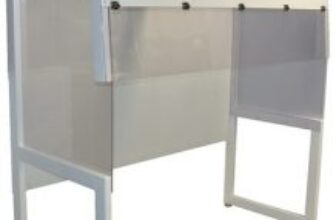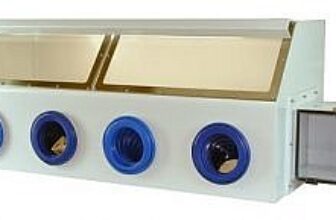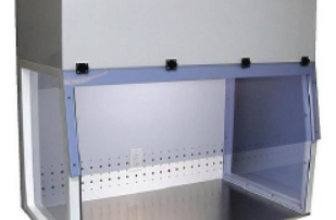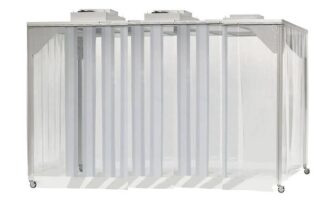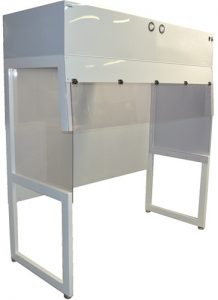
When your work depends on keeping samples, components, or sterile materials free from airborne contamination, the right clean-air workstation can make a significant difference. A laminar flow hood uses filtered, unidirectional airflow to create a cleaner work zone and reduce particulate contamination. However, you need to select the configuration, size, filtration, and features according to your specific application.
Understand What a Laminar Flow Hood Does
Before choosing equipment, identify what you need to protect. A laminar flow hood or clean bench is primarily designed to protect your work or product from contamination, rather than protect you from hazardous substances. HEPA-filtered air moves continuously across the working area, helping prevent airborne particles from settling on sensitive materials.
You can use this type of workstation for appropriate non-hazardous applications such as sterile equipment assembly, certain media preparation tasks, plant tissue work, electronics assembly, and other contamination-sensitive processes.
If your application involves infectious agents, hazardous chemicals, toxic substances, or materials that could expose you to harmful aerosols, a laminar flow hood is not the appropriate substitute for a biological safety cabinet or chemical fume hood.
Choose Between Horizontal and Vertical Airflow
One of your most important decisions is airflow direction.
Horizontal laminar flow
Filtered air moves from the rear of the unit toward the front. This configuration can provide a direct, unobstructed clean-air path across the work surface. It can be useful when you need a longer working area for clean assembly or other non-hazardous processes.
Vertical laminar flow
Filtered air moves downward from the top of the workstation toward the work area. This design can be useful when you work with taller items or prefer a downward airflow pattern.
Consider the size and shape of the materials you handle. Large objects can interfere with horizontal airflow, while tall equipment can disrupt vertical airflow. Your workspace layout should therefore match the airflow pattern rather than simply choosing a model based on its dimensions.
For more options, explore HEPA-filtered laminar flow hoods for clean laboratory work from Global Lab Supply.
Check Filtration and Airflow Performance
Filtration is central to clean-air performance. Look for a unit equipped with an appropriate HEPA filtration system and review the manufacturer’s documented performance specifications.
Don’t focus only on filter efficiency. Also consider airflow uniformity, velocity, monitoring, filter condition indicators, and the overall design of the work zone. Consistent, unidirectional airflow helps maintain the intended clean environment and minimizes turbulence.
You should also consider how often filters require inspection or replacement. Easy access to service components can simplify routine maintenance and help you keep performance consistent over the equipment’s service life.
Match the Hood to Your Workspace
Measure your available area before selecting a unit. Record the required width, depth, height, working-zone dimensions, and available electrical connections.
A horizontal unit may require additional rear clearance because its filter and airflow components are commonly positioned toward the back. A vertical design can sometimes fit more easily where bench depth or floor space is limited.
Next, consider the size of your work. If you regularly handle multiple items simultaneously, a compact hood may restrict movement and increase the chance of disrupting airflow. If your work is small and occasional, an oversized system may unnecessarily consume valuable laboratory space.
Also check lighting, noise, work-surface construction, access openings, and available accessories. Stainless-steel work surfaces are particularly useful where durability and easy cleaning are important.
Consider Maintenance and Everyday Usability
A laminar flow hood should be practical to operate every day. Look for an easy-to-clean interior, durable construction, accessible controls, adequate illumination, and straightforward filter monitoring.
Keep the work area organized so that equipment, containers, and materials do not unnecessarily obstruct airflow. Good operating practices matter just as much as selecting the right equipment. You should also follow the manufacturer’s cleaning, inspection, filter replacement, and certification recommendations.
When comparing laminar airflow workstations for contamination-sensitive applications, consider the complete operating environment rather than focusing on one specification.
Make Your Selection Based on Your Application
Start your selection process by answering five questions:
What are you protecting?
Identify the sample, product, component, or process requiring clean air.
Is the material non-hazardous?
If not, evaluate appropriate containment equipment instead.
Which airflow direction fits your work?
Compare horizontal and vertical configurations.
How much workspace do you need?
Consider both current and future workload.
What maintenance and monitoring will you require?
Review filtration, access, serviceability, and documentation.
By matching the hood to your actual workflow, you can create a cleaner and more practical workspace without selecting equipment based solely on appearance or price.
Global Lab Supply offers laboratory equipment for different research and clean-work requirements. If you need help evaluating suitable equipment specifications for your application, you can contact the laboratory equipment team for product guidance through their contact page.
Frequently Asked Questions
What is a laminar flow hood used for?
A laminar flow hood creates a controlled, filtered airflow environment primarily designed to protect sensitive work, samples, or products from airborne particulate contamination.
What is the difference between horizontal and vertical laminar flow?
Horizontal systems move filtered air from the rear toward the operator, while vertical systems move filtered air downward from above onto the work area.
Does a laminar flow hood protect the operator?
No. A standard laminar flow clean bench provides product protection, not personnel protection. Hazardous materials require appropriately designed containment equipment.
How do you choose the right laminar flow hood size?
Consider your available laboratory space, required working area, material dimensions, number of items handled simultaneously, and clearance requirements before selecting the unit.
Can you use a laminar flow hood for hazardous materials?
No. Standard laminar flow hoods should not be used for hazardous chemical or biological materials because contaminated air can be directed toward the operator.
If you need assistance selecting a laminar flow hood for your clean laboratory application, contact us today.