Maintaining sample integrity is one of your highest priorities in any laboratory environment. Whether you work with pharmaceuticals, biotechnology, electronics, medical devices, or advanced materials, even minor contamination can compromise test results, reduce product quality, and increase operational costs. Airborne particles, moisture, oxygen, and human interaction all create risks that can alter sensitive samples before analysis or production is complete.
A laboratory glove box helps you eliminate these risks by providing a controlled workspace that isolates samples from external contaminants. Instead of relying solely on standard laboratory practices, you can create a stable environment that preserves the physical and chemical properties of your materials throughout every stage of handling.
What Is a Laboratory Glove Box?
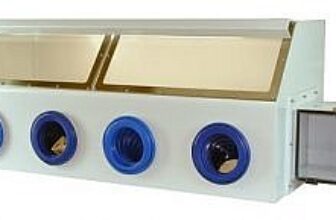
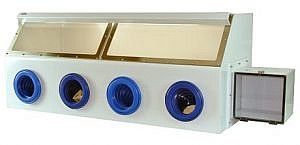
A laboratory glove box is a sealed enclosure that allows you to manipulate samples through built-in gloves while maintaining a controlled internal atmosphere. Depending on your application, the enclosure can operate with filtered air, inert gases such as nitrogen or argon, or a low-humidity environment.
Unlike open laboratory workstations, glove boxes significantly reduce exposure to airborne contaminants, environmental moisture, and oxygen. This controlled setting ensures your sensitive materials remain protected during preparation, testing, storage, and assembly.
You can explore advanced laboratory glove box systems for contamination-free laboratory applications designed to support research, manufacturing, and quality assurance across multiple industries.
How Contamination Affects Sample Integrity
Even in clean laboratory environments, contamination sources remain present. You may unknowingly expose samples to:
- Airborne dust particles
- Water vapor
- Oxygen
- Microorganisms
- Static electricity
- Chemical vapors
- Cross-contamination from operators
- Environmental fluctuations
These contaminants may alter chemical reactions, damage electronic components, introduce measurement errors, or shorten product lifespan. A laboratory glove box minimizes these risks by isolating your work from the surrounding environment.
Controlled Atmospheres Preserve Sensitive Materials
Many laboratory samples react immediately when exposed to oxygen or humidity. Materials such as lithium compounds, catalysts, semiconductors, and specialty chemicals require stable atmospheric conditions throughout processing.
Using a glove box allows you to maintain:
- Low oxygen levels
- Controlled humidity
- Stable temperature
- Inert gas environments
- Consistent internal pressure
These conditions prevent oxidation, hydrolysis, and other unwanted reactions that reduce sample quality.
Reduce Human-Induced Contamination
Laboratory personnel are one of the largest contamination sources. Skin oils, moisture, fibers, cosmetics, and microscopic particles can transfer onto samples during handling.
A glove box creates a physical barrier between you and the sample while still allowing precise manipulation through integrated gloves. This significantly reduces contamination without limiting productivity.
By minimizing direct contact, you help maintain consistent experimental conditions and improve repeatability.
Improve Experimental Accuracy
Reliable research depends on reproducible results. When environmental contamination changes sample characteristics, experiments become inconsistent and difficult to validate.
Using a controlled glove box environment allows you to:
- Standardize testing conditions
- Reduce external variables
- Increase repeatability
- Improve analytical precision
- Generate more dependable research data
The result is greater confidence in your findings and fewer repeated experiments.
Protect Moisture-Sensitive Chemicals
Many laboratory chemicals rapidly degrade after exposure to humidity. Even brief contact with atmospheric moisture can trigger unwanted chemical reactions.
A laboratory glove box provides a dry workspace that protects:
- Hygroscopic powders
- Reactive metals
- Organometallic compounds
- Battery materials
- Air-sensitive catalysts
Maintaining low humidity extends material usability while preserving chemical stability.
Safeguard High-Value Components
Modern laboratories frequently handle expensive components that require exceptional cleanliness. Semiconductor wafers, optical devices, precision sensors, and aerospace components are highly susceptible to microscopic contamination.
A glove box helps maintain pristine working conditions by reducing:
- Dust accumulation
- Surface scratches
- Oxidation
- Static-related contamination
- Particle deposition
This protection helps reduce waste while improving manufacturing yields.
Support Sterile Laboratory Operations
Although glove boxes are not a replacement for every cleanroom application, they provide excellent contamination control for many sterile procedures.
You can safely perform:
- Sample preparation
- Media transfers
- Small-scale assembly
- Precision weighing
- Quality inspections
The enclosed workspace limits microbial exposure while improving process consistency.
Increase Product Quality
Every contaminated sample represents lost time, wasted materials, and additional testing costs.
By maintaining controlled conditions throughout laboratory processes, you can improve:
- Product consistency
- Research reliability
- Manufacturing quality
- Batch reproducibility
- Customer confidence
Better sample integrity ultimately supports stronger quality assurance programs.
Improve Laboratory Efficiency
A properly designed glove box streamlines workflow by reducing contamination-related interruptions. Instead of repeating failed experiments or replacing compromised samples, your team can maintain continuous operations.
Benefits include:
- Faster project completion
- Reduced material waste
- Lower operational costs
- Improved productivity
- More efficient quality control
These advantages become increasingly valuable in high-throughput laboratories.
Choose the Right Laboratory Glove Box
Selecting the appropriate glove box depends on your application and environmental requirements.
Consider factors including:
- Internal workspace size
- Gas purification requirements
- Humidity control
- Oxygen monitoring
- Vacuum capability
- Material compatibility
- Transfer chamber design
- Custom accessories
Working with an experienced manufacturer ensures your system matches your laboratory objectives and future expansion plans.
You can discover innovative laboratory contamination-control solutions from CleaTech LLC laboratory equipment specialists that support research laboratories, pharmaceutical facilities, electronics manufacturing, and advanced industrial applications.
Conclusion
Protecting sample integrity begins with controlling the environment in which you work. A laboratory glove box provides an effective barrier against contamination while maintaining stable atmospheric conditions for sensitive materials. Whether your focus is scientific research, electronics manufacturing, pharmaceutical development, or quality assurance, investing in the right glove box improves reliability, reduces waste, and enhances overall laboratory performance.
If you are evaluating the best containment solution for your facility, Contact us today for expert guidance on selecting the right laboratory glove box solution tailored to your laboratory requirements.
Frequently Asked Questions
Why is a laboratory glove box important?
A laboratory glove box protects sensitive samples from moisture, oxygen, airborne particles, and operator contamination, helping maintain consistent sample integrity.
Which industries commonly use laboratory glove boxes?
Pharmaceutical, biotechnology, electronics, aerospace, battery manufacturing, materials science, medical device, and research laboratories frequently rely on laboratory glove boxes.
Can a laboratory glove box improve research accuracy?
Yes. It creates controlled environmental conditions that reduce contamination, improve repeatability, and produce more reliable experimental results.
What materials benefit most from a laboratory glove box?
Air-sensitive chemicals, lithium battery materials, catalysts, semiconductors, optical components, hygroscopic compounds, and precision electronic devices benefit significantly.
How do you choose the right laboratory glove box?
Evaluate your application, required atmosphere, humidity control, workspace size, gas purification needs, transfer chamber design, and future operational requirements before selecting a system.