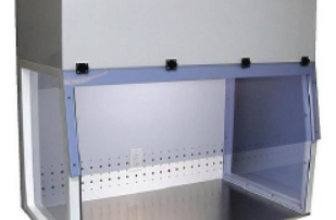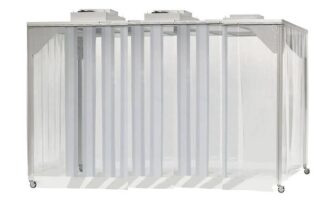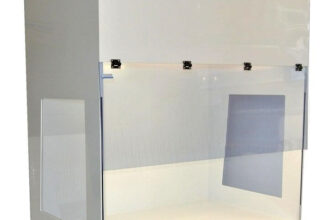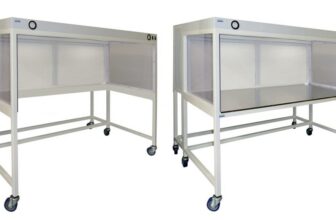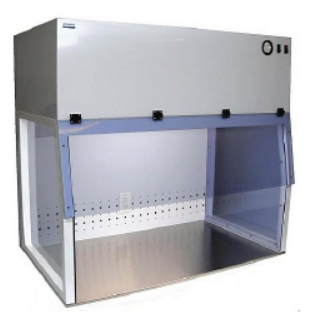
When your laboratory work depends on precision, cleanliness, and contamination control, selecting the right clean bench hood becomes a critical decision. Whether you work in pharmaceuticals, biotechnology, electronics, medical device manufacturing, or research laboratories, your equipment directly affects product quality and workflow efficiency. Understanding the features, airflow performance, and application requirements helps you invest in a solution that supports consistent results while protecting sensitive materials.
This guide explains how you can confidently choose a clean bench hood that meets your laboratory’s current and future needs.
Understand the Purpose of a Clean Bench Hood
Before comparing models, identify the primary purpose of your clean bench hood. Unlike chemical fume hoods, a clean bench hood is designed to protect your samples and products from airborne contamination rather than protect the operator from hazardous chemicals.
The system uses HEPA or ULPA-filtered laminar airflow to deliver clean air across the work surface. This controlled airflow minimizes particulate contamination, making it ideal for sterile assembly, electronics manufacturing, microbiological preparation, and other contamination-sensitive processes.
Choosing equipment that matches your workflow ensures reliable contamination control without unnecessary features that increase costs.
Match the Hood to Your Laboratory Application
Every laboratory has different operational requirements. You should evaluate the specific tasks performed inside the workspace before selecting equipment.
Consider questions such as:
- Will you handle sterile components?
- Do you assemble electronic devices?
- Are you preparing microbiological samples?
- Do you require ISO cleanroom compatibility?
- Will multiple users operate the workstation?
Matching the clean bench hood to your application improves efficiency while reducing contamination risks.
Evaluate Airflow Performance
Airflow quality determines the effectiveness of any clean bench hood.
Look for systems that provide:
- Uniform laminar airflow
- Stable air velocity
- Minimal turbulence
- Consistent particle removal
- Reliable HEPA or ULPA filtration
Poor airflow can create dead zones where contaminants settle, reducing product protection. Consistent airflow helps maintain a clean working environment throughout every procedure.
Choose the Right Filter System
The filtration system is one of the most important components.
High-quality HEPA filters typically remove 99.99% of particles as small as 0.3 microns, while ULPA filters offer even greater efficiency for ultra-clean environments.
You should also verify:
- Filter replacement accessibility
- Certification standards
- Leak testing capability
- Filter lifespan
- Maintenance requirements
Proper filtration ensures long-term contamination control while reducing maintenance interruptions.
Select the Appropriate Workspace Size
The work surface should comfortably accommodate your equipment, samples, and laboratory tools.
An undersized bench restricts workflow and increases accidental contamination. An oversized system may consume unnecessary laboratory space and increase operating costs.
Measure your available installation area while considering:
- Instrument footprint
- Operator movement
- Storage needs
- Future expansion
- Accessibility for maintenance
Planning ahead prevents costly equipment replacement later.
Consider Ergonomic Design
Laboratory professionals often spend several hours working inside clean bench hoods.
An ergonomic design reduces fatigue and improves productivity.
Important ergonomic features include:
- Comfortable working height
- Adjustable seating compatibility
- LED lighting
- Low vibration
- Reduced operating noise
- Easy-to-clean surfaces
- Convenient control panels
Comfortable workstations support better accuracy during repetitive laboratory tasks.
Verify Cleanroom Compatibility
If your facility follows GMP or ISO cleanroom standards, verify that the clean bench hood integrates with your existing controlled environment.
Look for features such as:
- Stainless steel construction
- Smooth, crevice-free interiors
- Chemical-resistant surfaces
- Easy sanitization
- Particle-controlled airflow
These characteristics simplify cleaning while supporting regulatory compliance.
For laboratories seeking advanced contamination control, explore high-performance Clean Bench Hood systems for sterile laboratory applications designed to support demanding research and production environments.
Review Material Construction
Material quality directly affects durability and cleanliness.
Common construction materials include:
- Stainless steel
- Powder-coated steel
- Polypropylene
- Tempered safety glass
For critical laboratories, stainless steel offers excellent corrosion resistance, long service life, and easy cleaning.
Select materials compatible with your cleaning agents and laboratory environment.
Evaluate Energy Efficiency
Energy-efficient equipment lowers operating costs over time.
Modern clean bench hoods often include:
- Energy-saving motors
- Efficient LED lighting
- Variable fan controls
- Optimized airflow systems
Lower energy consumption reduces long-term ownership costs without sacrificing performance.
Think About Future Laboratory Growth
Your laboratory requirements may expand over time.
Instead of purchasing equipment that only meets today’s needs, consider future projects, staffing increases, or new production requirements.
Scalable equipment offers greater long-term value while reducing replacement costs.
Planning ahead also minimizes operational disruptions during future laboratory upgrades.
Partner with an Experienced Manufacturer
Choosing the right manufacturer is just as important as choosing the equipment itself.
Look for companies that provide:
- Engineering expertise
- Product customization
- Technical consultation
- Installation guidance
- Responsive customer support
- Quality manufacturing
- Reliable warranty coverage
Working with an experienced supplier helps you select equipment that matches your laboratory’s exact specifications instead of relying on one-size-fits-all solutions.
Discover how CleaTech LLC cleanroom equipment and laboratory contamination control solutions help laboratories achieve dependable performance across research, pharmaceutical, biotechnology, and industrial applications.
If you’re unsure which configuration best fits your laboratory, Contact us today for expert guidance on choosing the right clean bench hood and receive recommendations tailored to your operational requirements.
Conclusion
Choosing the right clean bench hood requires more than comparing product specifications. You should evaluate airflow quality, filtration efficiency, workspace dimensions, ergonomics, cleanroom compatibility, construction materials, and long-term operational needs. Investing in equipment designed for your specific laboratory tasks improves contamination control, supports consistent results, and increases overall productivity. By carefully assessing your requirements and working with a trusted manufacturer, you can confidently select a clean bench hood that delivers reliable performance for years to come.
Frequently Asked Questions
What is a clean bench hood used for?
A clean bench hood protects samples and products from airborne contamination by providing HEPA- or ULPA-filtered laminar airflow across the work surface.
How is a clean bench hood different from a fume hood?
A clean bench hood protects your work from contamination, while a fume hood protects users by exhausting hazardous chemical vapors.
What industries commonly use clean bench hoods?
Pharmaceutical, biotechnology, electronics, medical device manufacturing, aerospace, and research laboratories commonly use clean bench hoods.
How often should HEPA filters be replaced?
Replacement depends on usage, operating conditions, and performance testing. Many laboratories replace filters after periodic certification or when airflow performance declines.
What should you consider before buying a clean bench hood?
You should evaluate airflow performance, filtration efficiency, workspace size, ergonomics, material construction, cleanroom compatibility, maintenance needs, and future laboratory requirements before making your purchase.