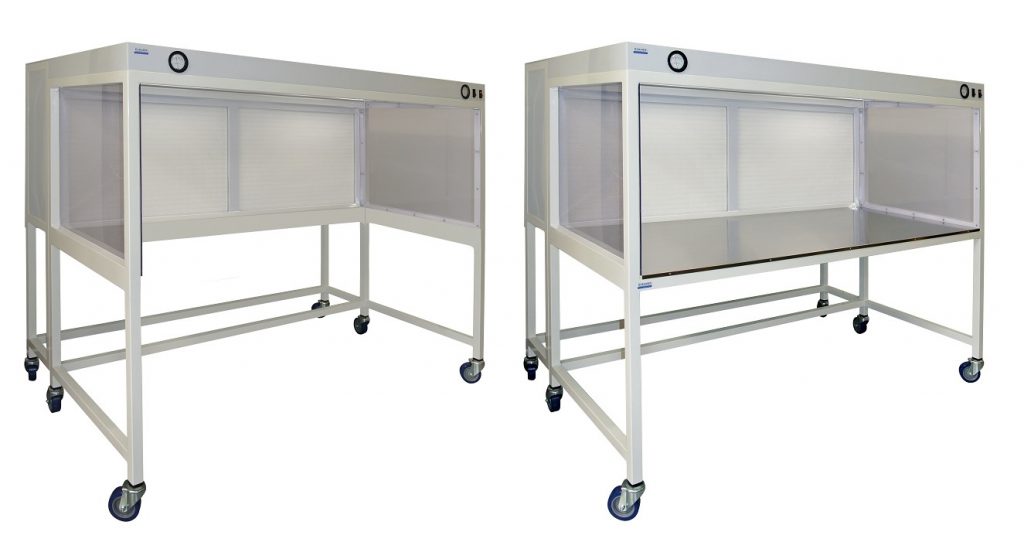
When you work in a laboratory, maintaining a clean and contamination-free environment is essential. Whether you’re handling sensitive samples, preparing media, or assembling sterile components, even minor airborne particles can compromise your results. That’s where a horizontal laminar flow hood becomes a critical tool. Understanding how it works helps you use it more effectively and ensure consistent, reliable outcomes.
What Is a Horizontal Laminar Flow Hood?
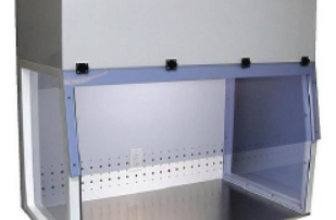
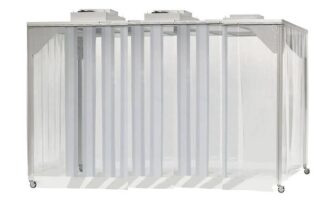
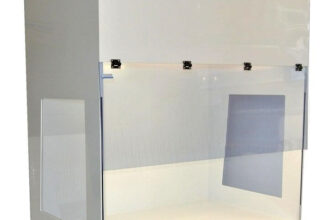
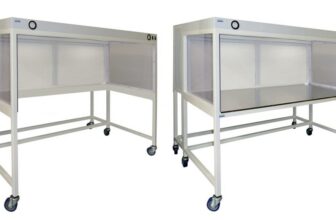
A horizontal laminar flow hood is a controlled workspace designed to provide a continuous flow of filtered air across the work surface. The airflow moves horizontally—from the back of the hood directly toward you—creating a clean environment that protects your samples from contamination.
If you’re exploring options, choosing the right horizontal laminar flow hood for sterile lab environments ensures that your processes meet strict cleanliness standards.
How the System Works Step by Step
To use this equipment effectively, you need to understand its core working mechanism:
Air Intake and Pre-Filtration
The process begins when ambient air is drawn into the hood through a pre-filter. This initial filter removes larger dust particles and debris, helping extend the life of the main filter.
HEPA Filtration
After pre-filtration, the air passes through a High-Efficiency Particulate Air (HEPA) filter. This filter removes at least 99.97% of particles as small as 0.3 microns. At this stage, the air becomes highly purified.
Laminar Airflow Creation
Once filtered, the air moves in a smooth, uniform stream across the workspace. This is called laminar flow. Unlike turbulent airflow, laminar airflow minimizes cross-contamination by preventing particles from swirling around.
Continuous Horizontal Flow
The clean air flows directly from the back panel toward the front opening. As you work, this steady stream continuously pushes contaminants away from your samples and out of the hood.
Why Horizontal Flow Matters
You might wonder why the direction of airflow is important. In a horizontal laminar flow hood, the air moves directly across your work area. This design offers several advantages:
- It provides consistent particle-free air across the entire surface
- It is ideal for applications where product protection is the priority
- It reduces the risk of airborne contamination settling on samples
However, you should also be aware that this setup directs air toward you, meaning it does not protect the user from hazardous fumes or biohazards.
Key Components You Should Know
To get the most out of your hood, familiarize yourself with its main components:
HEPA Filter: The core filtration unit that ensures clean air
Pre-Filter: Captures larger particles before they reach the HEPA filter
Blower/Fan System: Drives airflow through the filters
Work Surface: A smooth, easy-to-clean area where you perform tasks
Protective Sash (optional): Helps maintain airflow integrity
Each part plays a role in maintaining the sterile environment you rely on.
Best Practices for Effective Use
Even the most advanced equipment won’t perform well without proper usage. You can improve efficiency and cleanliness by following these practical steps:
- Always turn on the hood at least 10–15 minutes before starting work
- Keep the workspace uncluttered to avoid disrupting airflow
- Place materials at least 6 inches inside the hood
- Avoid quick hand movements that can create turbulence
- Regularly clean surfaces with appropriate disinfectants
These habits ensure the laminar flow remains uninterrupted and effective.
Common Applications in Labs
You’ll find horizontal laminar flow hoods used in a variety of laboratory settings, including:
- Pharmaceutical compounding
- Electronics assembly
- Microbiology research
- Tissue culture preparation
If your work requires a particle-free environment without handling hazardous materials, this type of hood is a reliable choice.
Choosing the Right Equipment
Not all laminar flow hoods are the same. When selecting one, consider factors such as size, airflow velocity, filter efficiency, and build quality. Working with a trusted provider like advanced cleanroom equipment solutions by CleaTech LLC ensures you get equipment that meets industry standards.
Additionally, proper installation and ongoing maintenance are essential. If you need expert guidance or customized solutions, don’t hesitate to contact us today for laminar flow hood consultation.
Maintenance and Longevity
To keep your hood functioning optimally, routine maintenance is key:
- Replace pre-filters regularly
- Monitor airflow velocity
- Inspect HEPA filters periodically
- Schedule professional servicing when needed
Neglecting maintenance can reduce efficiency and compromise sterility, which directly affects your lab results.
FAQs About Horizontal Laminar Flow Hoods
What is the main purpose of a horizontal laminar flow hood?
It provides a sterile, particle-free environment by directing filtered air across the workspace to protect samples from contamination.
Does a horizontal laminar flow hood protect the user?
No, it primarily protects the product or sample. It does not offer protection against hazardous fumes or biological agents.
How often should HEPA filters be replaced?
Typically, HEPA filters last several years, but replacement depends on usage, environment, and performance monitoring.
Can you use this hood for microbiological work?
Yes, but only for non-hazardous microbiological applications where product protection is the focus.
What can disrupt laminar airflow?
Clutter, rapid movements, improper placement of items, and blocked airflow paths can all create turbulence and reduce effectiveness.
How do you clean a laminar flow hood?
Use lint-free wipes and appropriate disinfectants. Always clean from the cleanest area to the dirtiest to avoid contamination.