

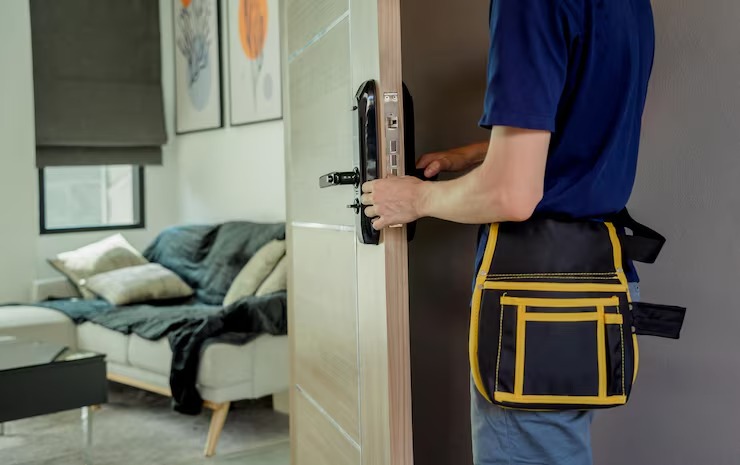
Running a medical office in Denver means protecting more than your equipment and business property. You are also responsible for safeguarding patient information, prescription medications, employee belongings, and confidential records. While security cameras and alarm systems play important roles, physical access control is equally essential.
Whenever a physician, nurse, administrative employee, contractor, or temporary staff member leaves your practice, you should review who can still access your building. Even when departing employees return their keys, you cannot always confirm whether additional copies were made.
Rekeying your locks after staff changes helps you eliminate access from previous keys without necessarily replacing your existing hardware. Working with a professional Locksmith Denver service provider like APEX Locksmith Denver can help you maintain better control over your medical facility’s entry points.
Why Staff Changes Create Security Risks in Medical Offices
Employee turnover is a normal part of operating a healthcare facility. However, every departure creates an opportunity to review existing security arrangements.
Consider how many people may have access to your medical office throughout a typical week. Physicians, nurses, receptionists, billing specialists, cleaning personnel, maintenance workers, and outside contractors may all need different levels of access.
When someone leaves, their physical access should be removed promptly.
Potential security concerns include:
- Former employees keeping unreturned office keys.
- Unauthorized duplicate keys circulating outside the practice.
- Previous contractors retaining access to restricted areas.
- Keys being shared between employees without management approval.
- Unclear records showing who currently holds each key.
These risks become more serious when your facility stores confidential patient files, prescription supplies, medical equipment, or financial documents.
Rekeying provides a practical way to restore control over physical access.
How Rekeying Protects Patient Privacy and Medical Records
Patient confidentiality is a fundamental responsibility for healthcare providers. Although digital security receives significant attention, physical records and administrative workspaces also require protection.
For example, your medical office may contain locked filing cabinets, records rooms, billing offices, and administrative areas. If former employees still possess working keys, they may retain physical access to spaces they no longer need to enter.
Rekeying changes the internal configuration of compatible lock cylinders so previously issued keys stop operating them. Your locksmith then provides new keys that can be distributed only to authorized personnel.
This approach helps you:
- Restrict former employees from entering secured areas.
- Protect physical patient documentation.
- Maintain better control over administrative spaces.
- Reduce uncertainty about outstanding keys.
- Support your broader healthcare security procedures.
Remember that rekeying physical locks is only one part of protecting patient information. You should also review electronic records permissions, passwords, and access credentials separately.
Which Medical Office Locks Should You Rekey?
Not every door in your facility presents the same security risk. Before scheduling locksmith services, identify the areas where unauthorized entry could create operational, financial, or patient privacy concerns.
Prioritize these locations:
- Main entrance doors: Your primary entrance controls access to the entire facility. Rekeying helps ensure former employees cannot use previously issued keys to enter after business hours.
- Medication storage rooms: If your practice stores prescription medications or controlled supplies, restrict access to authorized personnel. Review applicable storage and security requirements before changing the locking arrangements.
- Medical records rooms: Physical patient files, billing documents, and confidential paperwork should remain accessible only to approved employees.
- Administrative offices: Billing departments, management offices, and employee record storage areas may contain sensitive business information.
- Staff-only entrances: Side doors, rear entrances, and employee access points can become overlooked security weaknesses when staff responsibilities change.
A professional locksmith can inspect these locations and help determine which locks should be rekeyed, repaired, or replaced.
Rekeying vs. Replacing Locks: Which Option Makes Sense?
When an employee leaves, you may wonder whether you should replace every lock or simply rekey the existing hardware.
The right decision depends on the condition of your locks and your current security requirements.
| Rekeying | Lock replacement |
| Changes which keys operate the existing lock | Installs new locking hardware |
| Makes previous keys ineffective | Provides a new lock and key configuration |
| Usually costs less when hardware is functional | May cost more depending on hardware |
| Preserves compatible existing hardware | Allows security or hardware upgrades |
If your medical office locks are functioning properly, rekeying is often a practical and cost-effective solution.
However, replacement may be more appropriate when locks are damaged, outdated, frequently malfunctioning, or unsuitable for your facility’s security requirements.
If you operate multiple entrances, consult a professional commercial locksmith in Denver to evaluate your existing hardware and recommend an appropriate security arrangement.
When Should You Rekey Medical Office Locks?
You do not need to wait for a security incident before reviewing your locks. Certain workplace changes should automatically trigger an access-control assessment.
Consider rekeying when:
- A physician, nurse, or administrative employee leaves your practice.
- An employee loses an office key.
- You discover that keys were duplicated without authorization.
- A contractor or temporary worker no longer requires building access.
- You cannot account for all previously distributed keys.
- Your medical office changes ownership or management.
- You experience a suspected unauthorized entry.
For sensitive areas, act promptly rather than waiting until your next scheduled maintenance inspection.
You should also maintain a written record of staff departures, returned keys, replacement keys, and completed rekeying work. This creates a clearer history of your physical security procedures.
How Medical Office Managers Can Improve Key Control
Rekeying becomes more effective when you establish a consistent key-management process.
Start by maintaining an updated inventory of every office key. Record the assigned employee, authorized access areas, issue date, and return status.
Next, avoid distributing identical keys to everyone. Employees should receive access according to their responsibilities.
For example, receptionists may need access to the front office and administrative workspace, while medication storage should remain restricted to designated personnel.
You can strengthen your procedures with these practical steps:
- Collect keys during employee exit procedures.
- Document every issued and returned key.
- Restrict duplicate key production.
- Review access permissions regularly.
- Secure spare keys in an authorized location.
- Rekey affected doors when key control becomes uncertain.
- Review electronic access credentials separately.
If your facility has several departments or restricted areas, a professionally designed master key system may simplify access management without giving every employee unrestricted entry.
Why Professional Locksmith Services Matter in Denver
Medical office security requires more than changing a lock cylinder. You need a solution that considers your building layout, daily operations, employee responsibilities, and the sensitivity of the areas being protected.
A qualified Denver Locksmith can inspect existing commercial locks, identify compatible hardware, and determine which doors require rekeying or replacement.
Professional assistance also helps prevent unnecessary hardware changes. Instead of replacing every functioning lock, you can focus on restoring key control where it matters most.
APEX Locksmith Denver provides commercial locksmith solutions, including lock rekeying, lock repair, installation, and security improvements for businesses throughout Denver and surrounding communities.
Whether you operate a small medical practice, dental office, specialist clinic, or larger healthcare facility, working with an experienced locksmith can help you maintain dependable physical access control.
For facilities considering broader security improvements, commercial access control solutions may also help manage employee permissions and restricted entry points.
Build a Stronger Security Routine After Every Staff Departure
Your employee offboarding process should include a physical security review, not just payroll updates and the collection of company property.
Before closing an employee’s file, confirm whether they received keys, access cards, keypad codes, or other credentials. Determine whether any shared keys need to be reissued through rekeying.
If you are unsure whether your existing locks still provide adequate protection, arrange a professional inspection.
APEX Locksmith Denver can help you evaluate your current locking hardware and identify practical options for improving key control. Explore professional lock rekeying services in Denver to discuss your medical office’s requirements.
Secure Your Medical Office With APEX Locksmith Denver
Every staff change is an opportunity to review who can access your healthcare facility. Rekeying helps prevent previous keys from working, protects restricted spaces, and gives management greater confidence in its physical security arrangements.
Do not assume that collecting an employee’s key eliminates every access concern. If you cannot verify who has copies, consider rekeying the affected locks.
APEX Locksmith Denver supports Denver-area businesses with practical commercial locksmith services designed to help maintain secure, functional properties.
Take the next step toward better medical office security. Contact APEX Locksmith Denver to discuss professional rekeying and commercial lock solutions for your facility.
Frequently Asked Questions
1. Why should medical offices rekey locks after an employee leaves?
Rekeying prevents previous keys from unlocking affected doors. It helps protect patient records, medication storage, administrative offices, and other restricted areas.
2. Is rekeying better than replacing medical office locks?
Rekeying is generally more economical when existing locks are functional and compatible. Replacement is preferable when hardware is damaged, outdated, or requires upgrading.
3. How quickly should a medical office rekey its locks after staff changes?
You should review access immediately after an employee leaves. If keys are unreturned, lost, or potentially duplicated, arrange rekeying as soon as reasonably possible.
4. Can a locksmith rekey multiple doors in a medical office?
Yes. A professional locksmith can assess multiple compatible locks and rekey them according to your facility’s access requirements.
5. Does rekeying protect electronic access systems too?
No. Traditional lock rekeying changes physical key access. Keycards, PIN codes, smart locks, and electronic credentials require separate access updates or reprogramming.


