

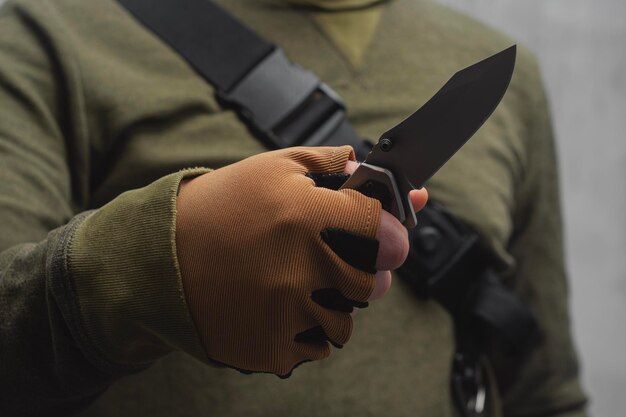
When exploring the world of martial arts, particularly Filipino martial arts, one tool consistently stands out: the Pilipino training knives. These specialized knives play a vital role in sharpening one’s skills and abilities in blade-based combat. Whether you’re a novice or an experienced practitioner, understanding the significance of training knives can dramatically improve your performance and technique.
What Are Pilipino Training Knives?
Pilipino training knives are designed for practice in Filipino martial arts (FMA), which include disciplines like Eskrima, Arnis, and Kali. These knives are not meant for combat or self-defense in their original form. Instead, they serve as a tool to help students develop the necessary muscle memory, reflexes, and coordination needed for using a blade in real-life situations. The main goal is to train safely while replicating real-world combat scenarios.
These training knives are often made from lightweight materials like plastic, rubber, or foam, ensuring that the practitioner can engage in drills without the risk of injury. The design of the training knives mimics that of real blades, but they are blunt and safe, making them ideal for learning.
History and Evolution of Pilipino Training Knives
To understand the role of Pilipino training knives, it’s essential to explore their historical roots. Filipino martial arts have been around for centuries, initially developed as a method of self-defense against invaders. The blade was a primary weapon in these ancient battles, and the emphasis on blade training became a central element in the martial art system.
In time, martial artists began incorporating training knives to perfect their techniques without the danger of using live blades. These tools evolved alongside the Filipino martial arts system, becoming an essential part of training. Over the years, training knives have undergone various design changes, reflecting the evolving needs of practitioners.
Today, modern Pilipino training knives come in various shapes and sizes, each tailored to specific techniques and exercises. Despite the changes in design, the purpose remains the same: to help martial artists improve their skills in a controlled and safe environment.
Types of Pilipino Training Knives
Pilipino training knives come in a variety of forms, each designed for specific purposes in training. Some of the most common types include:
Single Blade Training Knives
These knives are designed to replicate the traditional Filipino weapon, a single-edged blade. They are often used in basic drills where practitioners learn how to handle a single weapon, focusing on techniques like thrusts, slashes, and blocks.
Double-Edged Training Knives
Used for advanced drills, double-edged training knives mimic the two-bladed fighting style found in many Filipino martial arts. Practitioners use these knives to train on more intricate movements, such as simultaneous attacks with both hands or countering an opponent’s blade.
Training Swords
Though technically not knives, training swords are sometimes used in Filipino martial arts to practice long-range techniques that can also be applied to smaller blades. The larger length helps to train the practitioner in handling distance and precision, essential elements when transitioning to using smaller blades.
Why Are Pilipino Training Knives Important in Martial Arts?
The inclusion of training knives in Filipino martial arts is not just for mimicking real-life situations; it goes much deeper. The goal of using these knives is to refine the skills that would be used in a live confrontation, making the transition to real knives or other weapons smoother. Here are some reasons why these training tools are indispensable:
Improving Reflexes and Timing
Using Pilipino training knives helps practitioners react quickly in situations where timing is crucial. As with any martial art, the ability to anticipate and counter moves is essential for success. By training with a blade, you develop faster reaction times and gain a heightened sense of awareness.
Sharpening Muscle Memory
Consistent use of training knives helps to develop muscle memory, which is key in martial arts. This means that the more you practice with a training knife, the more natural your movements will become, even in high-stress situations.
Safety During Training
One of the greatest benefits of using Pilipino training knives is the safety aspect. Real knives can be dangerous, and practicing with them in combat situations would pose a serious risk. The soft, non-lethal material used in training knives allows you to practice dangerous techniques while minimizing risk.
Versatility in Training
In Filipino martial arts, the blade is just one aspect of the training. Many drills involve footwork, hand techniques, and evasion tactics. By incorporating training knives, you can practice these elements while still focusing on weapon handling. The versatility of the training knives ensures that they complement a wide range of drills and techniques.
How to Use Pilipino Training Knives
Using Pilipino training knives requires patience, discipline, and consistency. For beginners, it’s recommended to start with basic drills like stabs, cuts, and basic footwork. Once these fundamentals are mastered, more complex techniques like disarms and counters can be introduced. The goal is not just to practice the movements but to understand their strategic application in a fight.
It’s also essential to use proper grip and posture when training with these knives. Practicing in front of a mirror or under the supervision of an experienced instructor can help you avoid bad habits that could affect your performance later on.
Conclusion
Whether you’re just starting out or looking to enhance your skills, Pilipino training knives play a crucial role in the development of Filipino martial arts. By providing a safe and effective way to practice blade techniques, these knives help students build muscle memory, improve reflexes, and learn the intricacies of weapon-based combat. If you’re serious about mastering Filipino martial arts, incorporating training knives into your practice routine is a step toward achieving that goal.


