

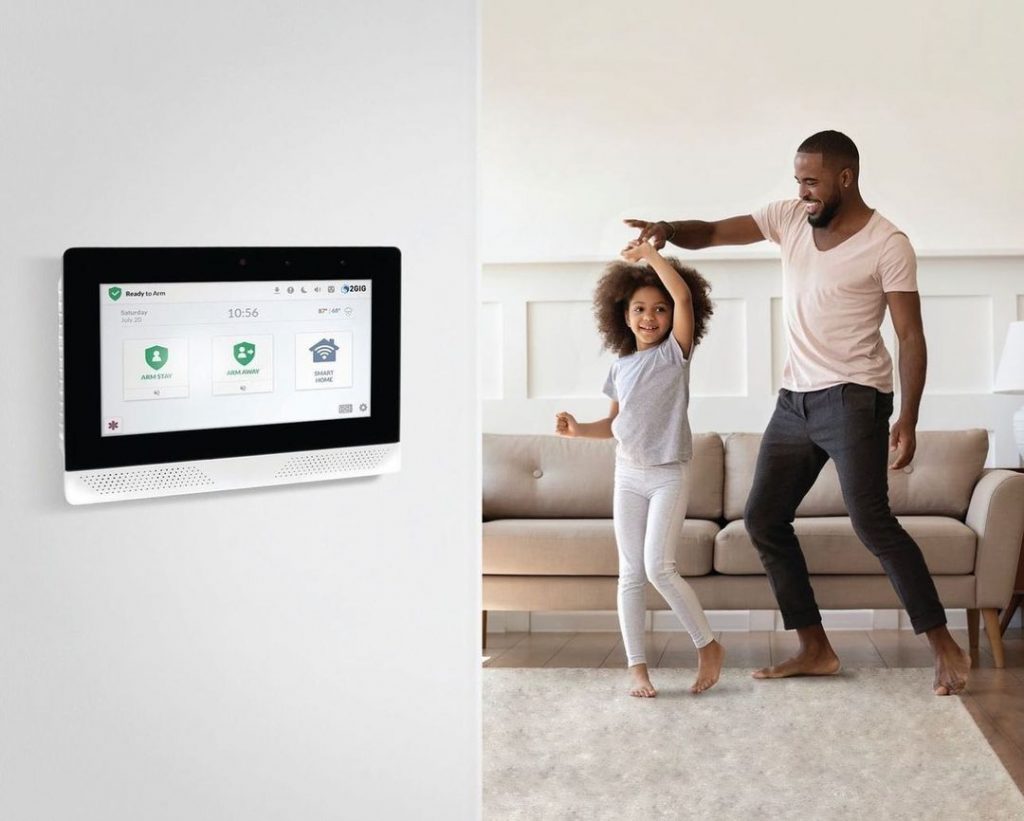
Commercial security systems play a crucial role in safeguarding businesses from ever-evolving threats.With the world becoming more interconnected, businesses face a wide range of risks. These risks include physical theft, vandalism, cyberattacks, and data breaches. No business is immune to these dangers in today’s world.
Assessing Your Business Security Needs
To choose the right commercial security system, it is essential to have a clear understanding of your business’s unique security needs.Conducting a thorough assessment helps identify vulnerable areas, potential risks, and evaluate existing security measures.
- Identifying vulnerable areas:
- Begin by identifying areas of your business that are most susceptible to security breaches. This includes entry points, high-value assets, storage areas, and areas with limited surveillance coverage.
- Consider the layout of your premises to identify blind spots or areas with insufficient security coverage.
- Understanding the potential risks:
- Analyze the specific threats that your business may face, and prioritize them based on the level of risk they pose. These risks could vary from physical break-ins to cyberattacks, employee theft, or even natural disasters.
- Developing a comprehensive security strategy requires consideration of both internal and external threats.
- Evaluating current security measures:
- Take stock of the existing security measures in place. This includes physical barriers, alarm systems, surveillance cameras, access control systems, and any other security equipment.
- Assess the effectiveness of these measures and identify any gaps or areas for improvement.
Types of Commercial Security Systems
Commercial security systems encompass a range of technologies and solutions designed to protect businesses from various threats.
Video Surveillance Systems
A comprehensive security system is incomplete without video surveillance, Ensuring the safety and security of people and property is crucial. I will ensure that any grammatical, spelling, or punctuation errors are corrected.They provide visual evidence, deter potential criminals, and enhance overall situational awareness.
- Benefits of video surveillance:
- Enhances security by visually monitoring activities and deterring criminals.
- Provides valuable evidence for investigations into security breaches.
- Allows remote monitoring, enabling real-time response to potential threats.
- Key components of a video surveillance system:
- High-quality cameras capable of capturing clear images and videos.
- Network video recorders (NVR) or digital video recorders (DVR) to store and manage video footage.
- Monitors for real-time viewing and playback.
- Video analytics software to automate monitoring and detect suspicious activities or breaches.
- Popular video surveillance technologies:
- IP cameras that offer high-resolution and network connectivity.
- Thermal cameras for detecting intruders even in low light or adverse weather conditions.
- Pan-tilt-zoom (PTZ) cameras for monitoring larger areas with greater flexibility.
Access Control Systems
Controlling physical access to your premises is essential to prevent unauthorized entry. Access control systems consist of various technologies that restrict access to specific areas, protecting valuable assets and ensuring the safety of employees.
- Different types of access control systems:
- Proximity card readers that grant access through the use of electronic keycards.
- Biometric systems that use fingerprints, retinal scans, or facial recognition for identification.
- Keypad or PIN-based systems that require a unique code for access.
- Factors to be consider when selecting an access control system:
- Scalability to accommodate future growth and changing security needs.
- Integration capabilities with other security systems for centralized management.
- Reliability and durability to withstand daily use and potential tampering.
- Ease of use for employees while maintaining a high level of security.
Intrusion Detection Systems
Detecting unauthorized entry or intrusion attempts is crucial to ensure the safety of your business premises and its assets. Intrusion detection systems alert you to potential security breaches, allowing for timely intervention or response.
- Components of an intrusion detection system:
- Sensors such as door/window contacts, motion detectors, or glass break sensors.
- Control panels to receive and process data from the sensors.
- Alarm systems to notify users or trigger a response in case of a breach.
- Choosing the appropriate intrusion detection system for your business:
- Consider the layout and size of your premises to determine the number and placement of sensors.
- Evaluate the sensitivity and reliability of the sensors to minimize false alarms.
- Select a system that integrates with other security components to provide a comprehensive security solution.
Fire Detection and Prevention Systems
Fire prevention is a critical aspect of commercial security. Installing fire detection and prevention systems can significantly reduce the risk of fire-related damages and save lives.
- Importance of fire prevention in commercial buildings:
- Protects employees, customers, and valuable assets from fire hazards.
- Reduces downtime and financial losses resulting from fire-related damage.
- Helps businesses comply with local fire safety regulations.
- Types of fire detection and prevention systems:
- Smoke detectors are help to detect the presence of smoke and trigger an alarm to alert individuals of potential fire hazards.Fire sprinkler systems that automatically release water to extinguish fires.
- Fire suppression systems, such as foam or gas-based systems, designed for specific hazards.
- Integrating fire detection systems with other security measures:
- Ensure that fire detection systems are interconnected with other security systems.
- This integration allows for swift evacuation and coordinated response in the event of a fire.
Alarm Systems
Alarm systems act as early warning systems, alerting you to potential security breaches or emergencies. They serve as a deterrent, providing an additional layer of protection for your business.
- Types of alarm systems:
- Burglar alarms: Notify you or a central monitoring station of unauthorized entry attempts.
- Panic alarms: Enable employees to quickly signal for assistance in emergency situations.
- Environmental alarms: Detect abnormal conditions like flooding, temperature extremes, or power failures.
- Features to look for in an alarm system:
- Audible and visible alarms to deter intruders and alert employees.
- Remote monitoring capabilities for real-time notifications.
- Backup power supply to ensure continuous functionality during power outages.
Factors to be Consider When Choosing a Commercial Security System
Choosing the perfect commercial security system requires careful evaluation of various factors to ensure optimal protection and compatibility with your business’s unique requirements.
Budgetary Considerations
Determining your security budget is essential to select a system that meets your needs without stretching your resources excessively.
- Weighing the costs and benefits of different systems:
- Consider both the upfront costs of purchasing the security system and the long-term costs associated with maintenance, monitoring, and upgrades.
- Balance the features and capabilities of different systems with their respective costs.
Scalability and Expansion
As your business grows and evolves, so do your security needs. It is essential to choose a security system that can accommodate future expansions without significant disruptions.
- Future growth and expansion plans:
- Evaluate your business’s projected growth and consider the scalability of the security system.
- Choose the system that allows for easy integration of additional components or expansion of coverage areas.
Integration with Existing Systems
To achieve optimal security, it is crucial to assess the compatibility of potential security systems with your current infrastructure.
- Assessing compatibility with current infrastructure:
- Consider the integration capabilities of different security systems with your existing equipment, such as CCTV cameras or access control systems.
- Ensure seamless communication and centralized management of all security components.
- The benefits of integrated security systems:
- Streamline security management by consolidating multiple systems into a single interface.
- Enhance data analysis and correlation for more effective threat detection and response.
User-Friendliness and Ease of Maintenance
A user-friendly security system minimizes training requirements for employees and reduces the likelihood of errors.
- Training and usability aspects:
- Consider the complexity of the system’s user interface and availability of training materials or support to ensure smooth operation.
- Maintenance requirements and support services:
- Evaluate the maintenance needs of the system, including software updates, hardware maintenance, and ongoing technical support.
- Opt for a security system backed by reliable support services within your budget.
Reliability and Durability
The reliability and durability of a security system directly impact its effectiveness in protecting your business.
- Selecting systems with a proven track record:
- Research the reputation and reliability of different security system providers.
- Read reviews and seek recommendations to ensure dependable performance.
- Ensuring resistance to tampering and environmental factors:
- Choose security systems made with robust materials that can withstand physical tampering or environmental conditions.
- Consider factors such as weather resistance, resistance to vandalism, and compliance with industry standards.
Professional Installation and Monitoring Services
Professional installation services help ensure the correct setup and configuration of your security system, maximizing its effectiveness.
- Hiring professional installation services:
- Seek certified professionals with expertise in installing and configuring the chosen security system.
- Professional installation minimizes the risk of errors or improper system setup.
- Utilizing monitoring services for added security:
- Consider subscribing to monitoring services that provide round-the-clock surveillance and immediate response to emergencies.
- Monitoring services can alert authorities or designated personnel in case of suspicious activities or security breaches.
Designing a Customized Security System for Your Business
Designing a customized security system tailored to your business’s specific needs involves a comprehensive process of assessment, planning, and implementation.
Conducting a Security Audit
A security audit helps identify the specific security objectives and requirements unique to your business.
- Identifying specific security objectives:
- Determine your desired outcomes, such as preventing theft, protecting sensitive information, improving employee safety, or ensuring compliance with regulations.
- Prioritize objectives based on their criticality and potential impact on your business.
- Mapping out security zones and measures:
- Divide your premises into different security zones based on their vulnerability or the nature of the activities conducted.
- Identify the appropriate security measures for each zone based on the risks present.
Creating a Security Plan
A comprehensive security plan outlines the specific security measures to be implemented and their intended outcomes.
- Assessing the required security measures for each zone:
- Consider the previously identified vulnerabilities, risks, and objectives to determine the appropriate security measures for each zone.
- This may include a combination of access control, video surveillance, intrusion detection, fire detection, and alarm systems, among other measures.
- Designing a comprehensive security layout:
- Create a detailed blueprint or architectural plan that illustrates the placement of security equipment and the coverage of each system.
- Ensure that the design takes into account any regulatory requirements or industry best practices.
Selecting the Right Security Providers
Researching reputable security providers is crucial to ensure the reliability and effectiveness of the chosen security system.
- Researching reputable security providers:
- Seek recommendations from industry professionals or other businesses in your sector.
- Evaluate providers based on their experience, certifications, client testimonials, and range of services offered.
- Requesting proposals and evaluating their offerings:
- Reach out to shortlisted security providers and request proposals tailored to your specific business needs.
Implementing Security Measures
Once the security system components have been selected, it is time to install, configure, and test the system.
- Installing the chosen security system components:
- Engage professional installation services to ensure proper installation and configuration.
- Test each component of the system to verify functionality before finalizing the installation.
- Testing and fine-tuning the system:
- Conduct comprehensive testing to identify any issues or vulnerabilities.
- Fine-tune the system to optimize its performance and address any detected shortcomings.
Summary and Conclusion
Investing in a reliable and comprehensive commercial security system is crucial to safeguarding your business, employees, and valuable assets. By assessing your specific security needs, understanding the various types of security systems available, considering key factors, and designing a customized system, you can ensure top-notch protection for your business. Remember, security should be an ongoing process, requiring regular evaluation and updates to stay ahead of evolving threats. With the right commercial security system in place, you can focus on growing your business with peace of mind.

